Magical Space Stories for Kids
Blast off into gentle cosmic adventures! Discover sleepy crescent moons, colorful crystal planets, and curious little astronauts built for bedtime wonder and STEM curiosity.
Space stories for kids combine imaginative outer-space journeys—moons, comets, nebulae, and friendly astronauts—with calm storytelling and beginner astronomy vocabulary. Ideal for ages 3 to 10, they turn nighttime stargazing curiosity into peaceful bedtime routines and early STEM excitement.
Why Children Love Outer Space Tales
Early STEM Curiosity
Introduces real concepts like orbits, gravity, prisms, and constellations naturally inside warm narratives.
Starry Bedtime Calm
Velvet night skies, quiet moons, and floating stardust help energetic minds slow down smoothly before sleep.
Big Imagination
Encourages children to ask questions, observe the sky, and dream boldly about exploring the universe.
Space Story Paths by Age & Reading Goal
| Story Type | Age Group | Reading Time | Key Astronomy Concepts | Best Moment |
|---|---|---|---|---|
| Sleepy Moon & Star Lullabies | Ages 3–6 | 3–4 mins | Crescent moon, quiet constellations | Lights-out bedtime |
| Planet & Nebula Explorations | Ages 5–8 | 4–6 mins | Prisms, gravity, galaxies | Curious evening read-aloud |
| Comet & Orbit Adventures | Ages 6–10 | 4–6 mins | Elliptical orbits, solar system | Independent STEM reading |
Explore Space & Starlight Stories
Read online for free or listen hands-free with our built-in voice narrator.
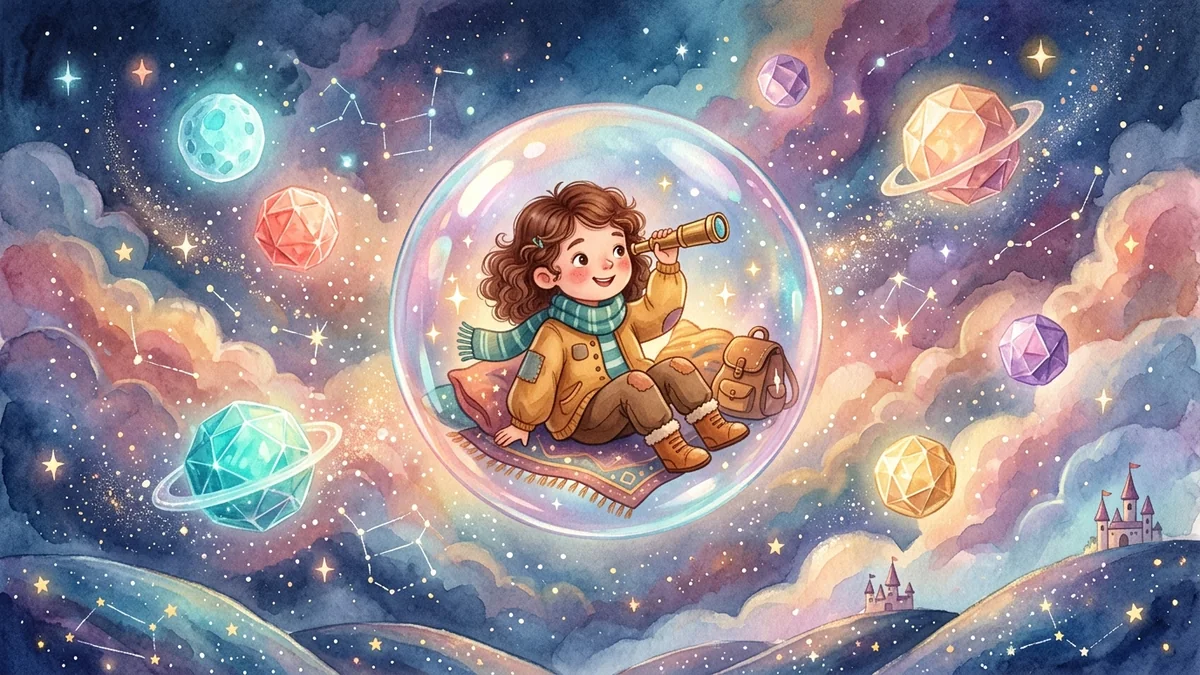
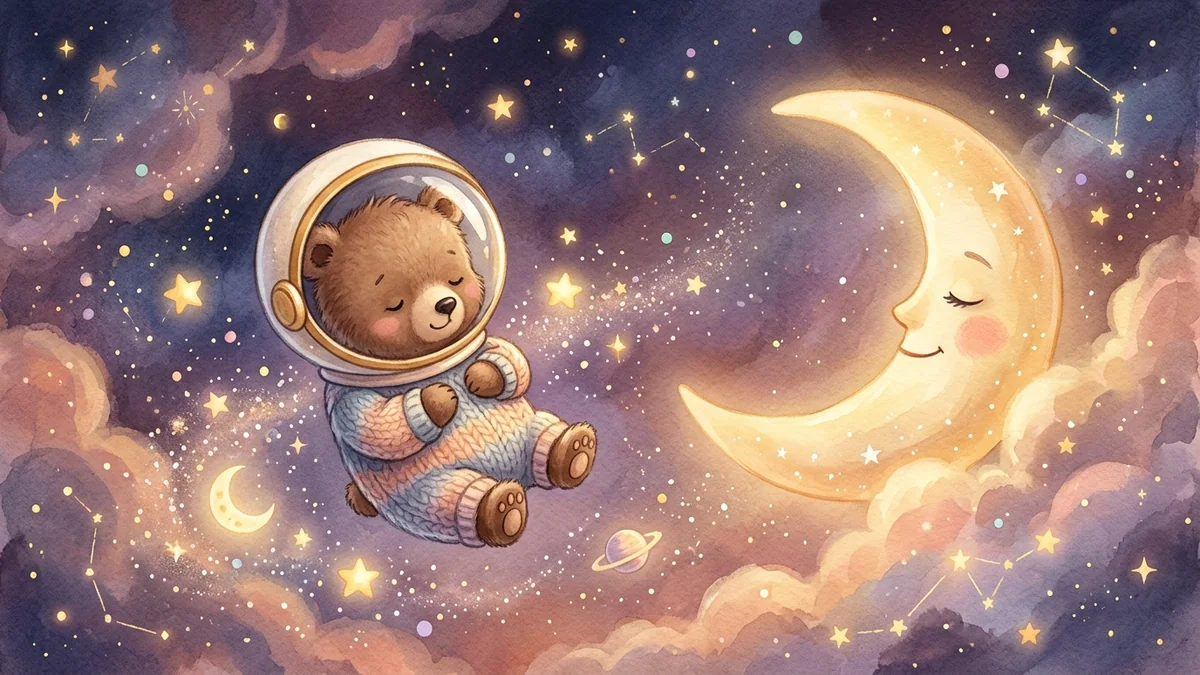
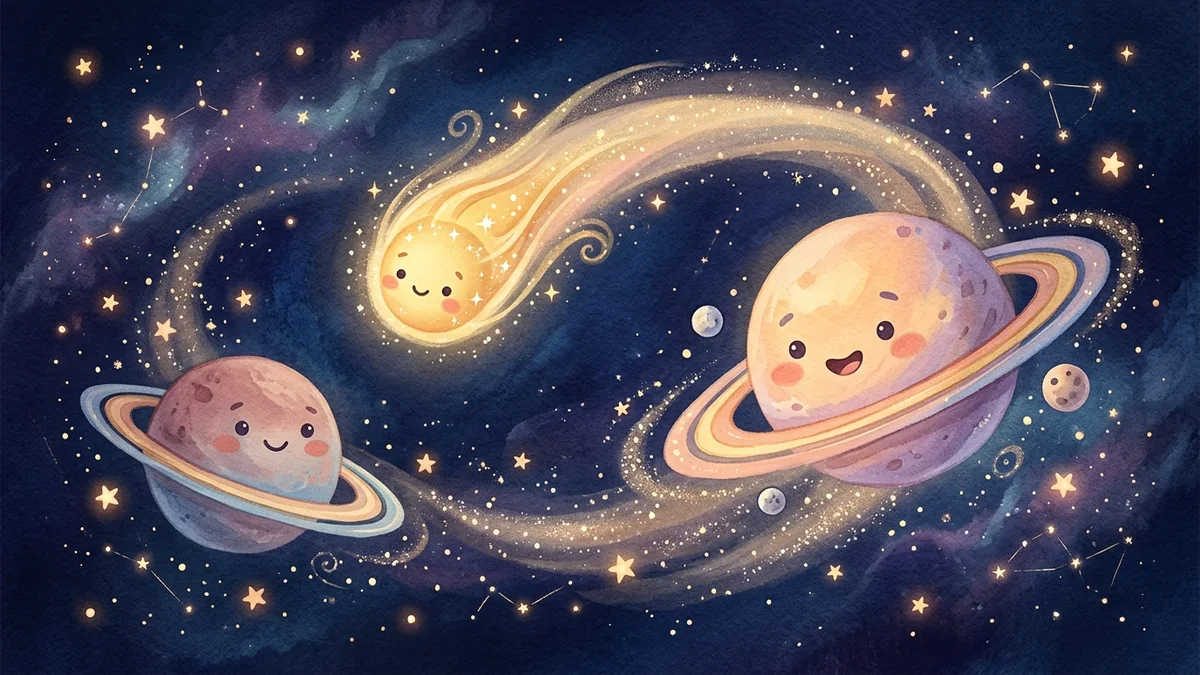
Explore Related Story Collections
Frequently Asked Questions About Space Stories
Tips for sharing astronomy and outer-space reading with children.
Are space stories calming enough for bedtime?
Yes! Our space bedtime stories focus on peaceful night skies, soft crescent moons, and gentle cosmic journeys rather than loud sci-fi battles, making them ideal for winding down before sleep.
What science vocabulary do space stories teach children?
Children naturally pick up astronomy terms such as orbit, crescent, gravity, nebula, prism, and galaxy through relatable characters and visual context.
Which age group enjoys outer space stories most?
Toddlers and preschoolers love cozy moon-and-star tales (ages 3–5), while elementary readers (ages 6–10) enjoy planet mysteries and comet journeys.
Can kids listen to space stories with audio narration?
Yes! Every space story page includes our built-in browser audio player so kids can listen while tucked into bed gazing at glow-in-the-dark stars.
Ready for a Starry Adventure?
Browse our entire library of free children’s stories filled with science, kindness, and nighttime magic.
Explore All Stories