Calm Bedtime Stories for Sleep
Let go of the busy day. Gentle, whisper-soft stories designed to slow racing minds, ease anxiety, and lull children into sweet, restorative slumber.
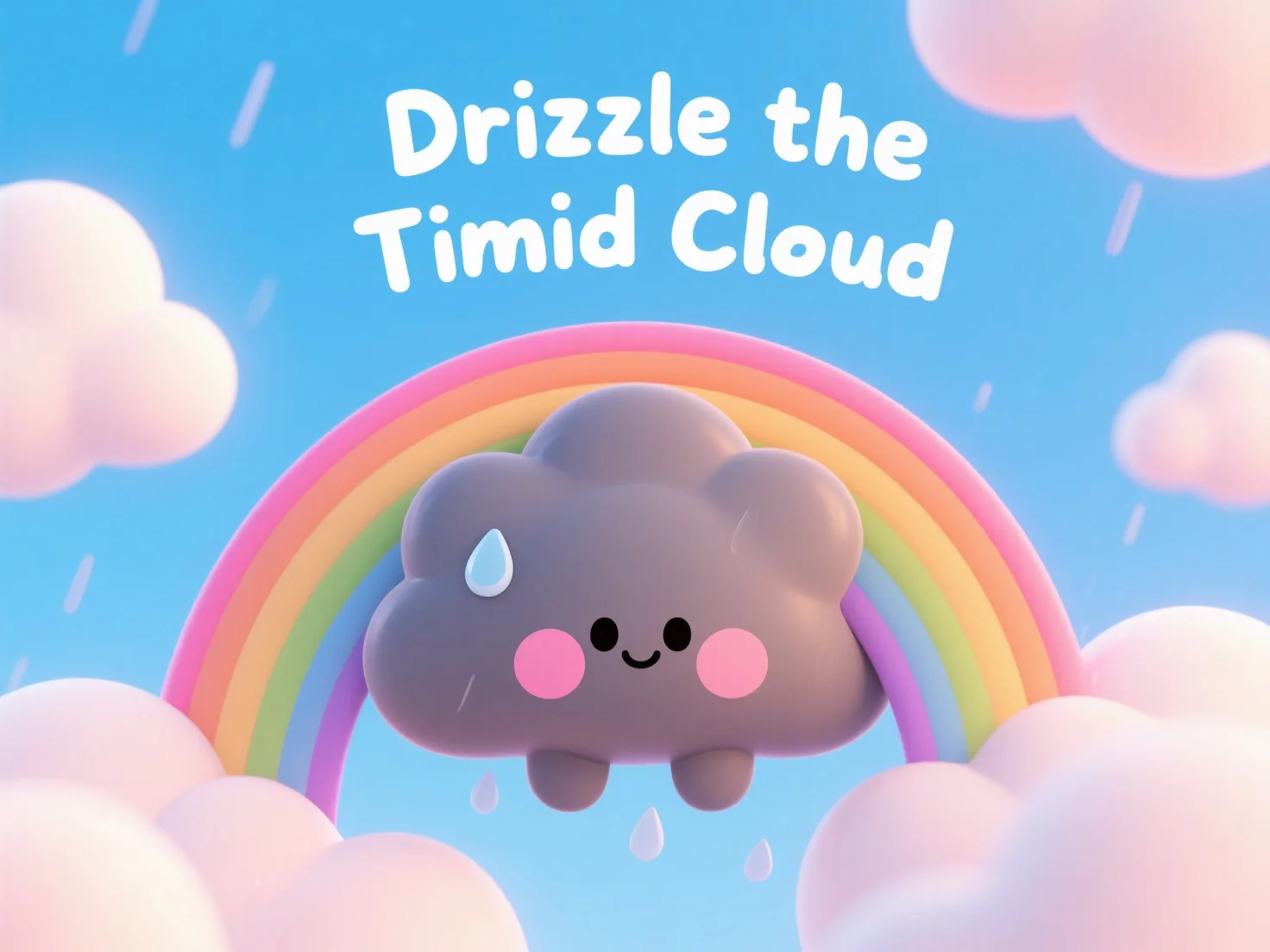
Bedtime stories for sleep are specialized calming narratives crafted with soothing sensory imagery, gentle repetition, and unhurried pacing. By eliminating dramatic plot twists and emphasizing tranquil natural rhythms—like softly drifting clouds and quiet waters—they guide children smoothly from alert wakefulness to restful sleep.
The Science of Calming Bedtime Tales
Paced Breathing
Unhurried sentence structures and gentle pauses prompt children to unconsciously synchronize their respiration with the narrator's calm tempo.
Nature Imagery
Visualizing quiet pine needles, soft silver rivers, and glowing starlight replaces bedtime worry with safe, comforting mental pictures.
Seamless Sleep Routines
Establishing a predictable, screen-free audio routine creates a powerful conditioned sleep cue that signals the brain it is time to rest.
Sleep Story Types & Wind-Down Guide
| Story Soundscape | Suggested Age | Duration | Dominant Sensory Cue | Best Sleep Situation |
|---|---|---|---|---|
| Floating Cloud / Sky Tales | Ages 2–6 | 4–6 mins | Weightlessness & soft whispers | Restless, energetic evenings |
| Gentle River & Water Journeys | Ages 4–9 | 5–8 mins | Rhythmic flowing waters & pebbles | Overstimulated after school / screens |
| Quiet Forest & Starry Night | Ages 5–10 | 6–10 mins | Drowsy nocturnal animals bedding down | Deep sleep wind-down & anxiety relief |
Soothing Bedtime Stories to Listen & Read
Turn on our soothing voice player, dim the bedroom lights, and enjoy sweet dreams.






Frequently Asked Questions About Sleep Stories for Kids
How do sleep bedtime stories physically help children fall asleep faster?
Sleep stories utilize progressive relaxation imagery—such as floating clouds, slow river ripples, and gentle breezes—combined with slow rhythmic pacing. This triggers the parasympathetic nervous system, lowering heart rates and signaling the brain that it is safe to release tension and drift off.
What is the recommended narration speed for children's sleep stories?
We recommend a slow, steady cadence around 0.75x to 0.9x speed (available on our built-in audio player). Slower speech patterns mirror resting breathing rates, encouraging children to subconsciously slow down their own breathing.
Should the bedroom lights be completely off while reading or listening?
A very dim, warm-amber nightlight is ideal during the beginning of the story. Once the voice player takes over, turning off primary lighting allows melatonin production to surge naturally.
Can I use these sleep stories for toddlers as well as older kids?
Yes, our sleep stories are crafted without plot suspense or loud climaxes, making them effective for tired toddlers (ages 2–4) as well as elementary schoolers (ages 5–9) needing to wind down after screen-heavy days.