Classic Aesop's Fables for Kids
Timeless animal fables lovingly retold for young modern readers. Clear life lessons, gentle endings, vocabulary cards, and family discussion prompts in every tale.
Aesop's fables for kids are short, memorable animal stories attributed to the ancient Greek storyteller Aesop, each crafted to highlight a practical moral such as patience, gratitude, or mutual kindness. Our warm modern retellings preserve classic wisdom without harsh endings, making them ideal for ages 4 to 9.
Why Aesop's Fables Endure Across Generations
Memorable Moral Clarity
Concise plots make abstract ideas like perseverance, mercy, and humility concrete and easy for kids to remember.
Kid-Friendly Retellings
Adapted with warm, comforting language and safe resolutions—free from overly frightening classic endings.
Classroom & Home Ready
Every fable includes vocabulary words and open-ended questions ideal for reading comprehension practice.
Featured Aesop's Fables & Core Life Lessons
| Classic Fable | Main Characters | Core Moral Lesson | Target Age | Reading Time |
|---|---|---|---|---|
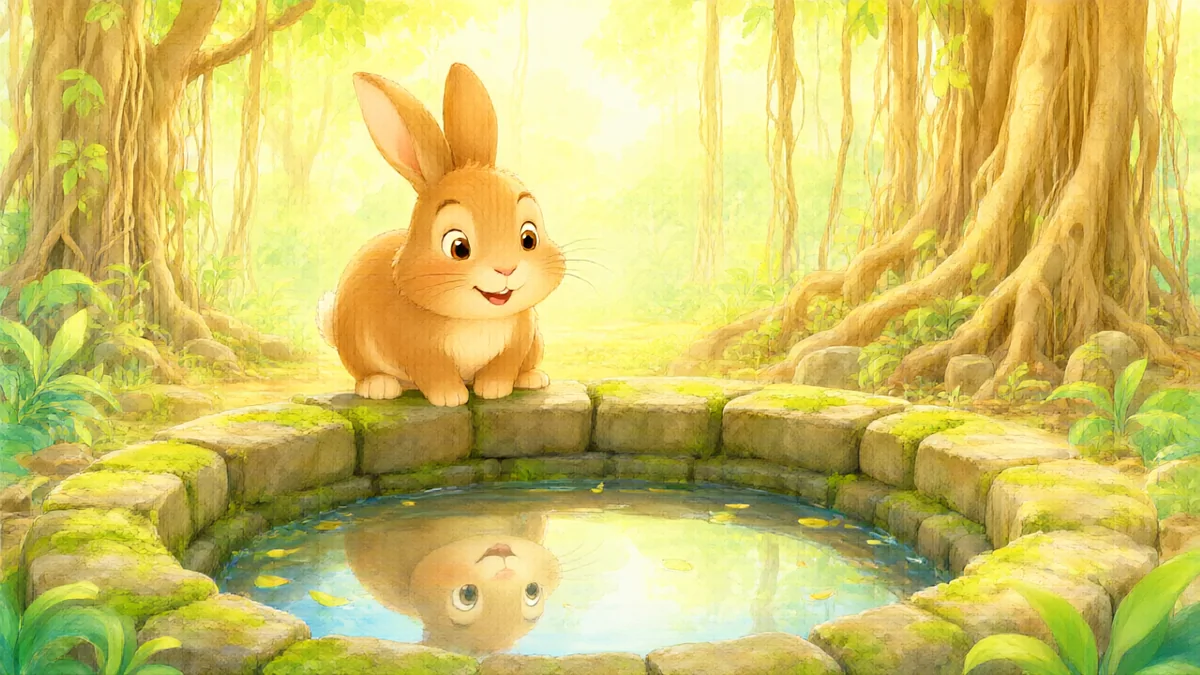
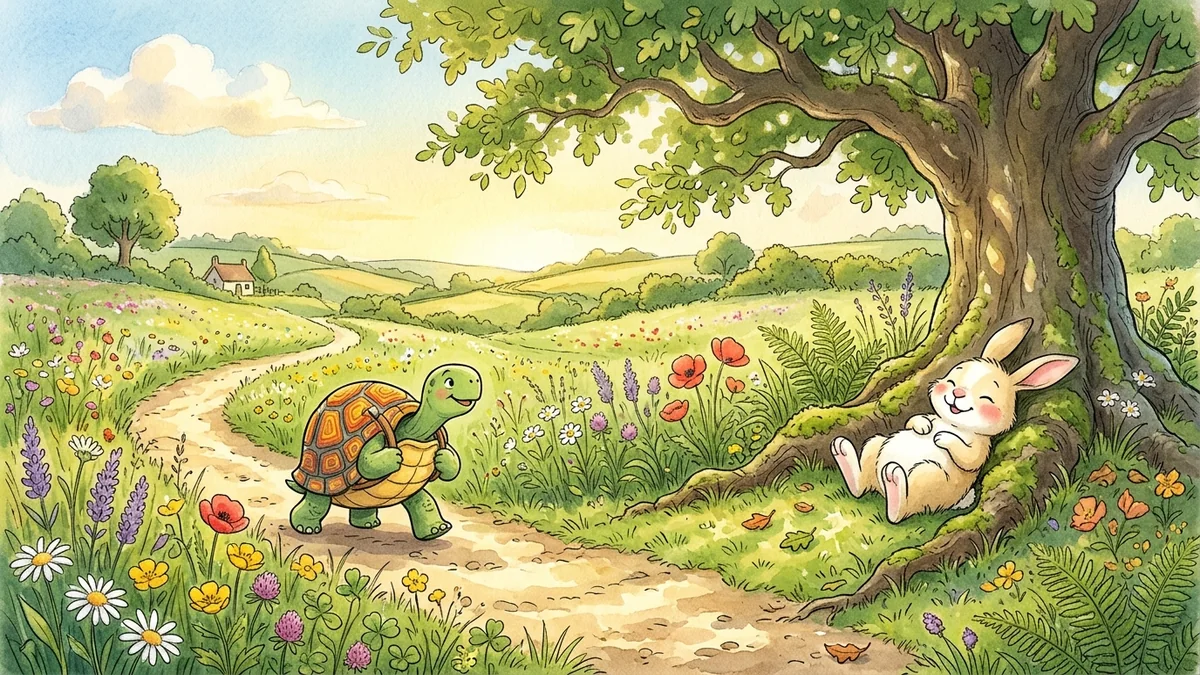
| The Tortoise and the Hare | Toby Tortoise & Harry Hare | Steady persistence & humility beat bragging | Ages 4–8 | 4 mins |
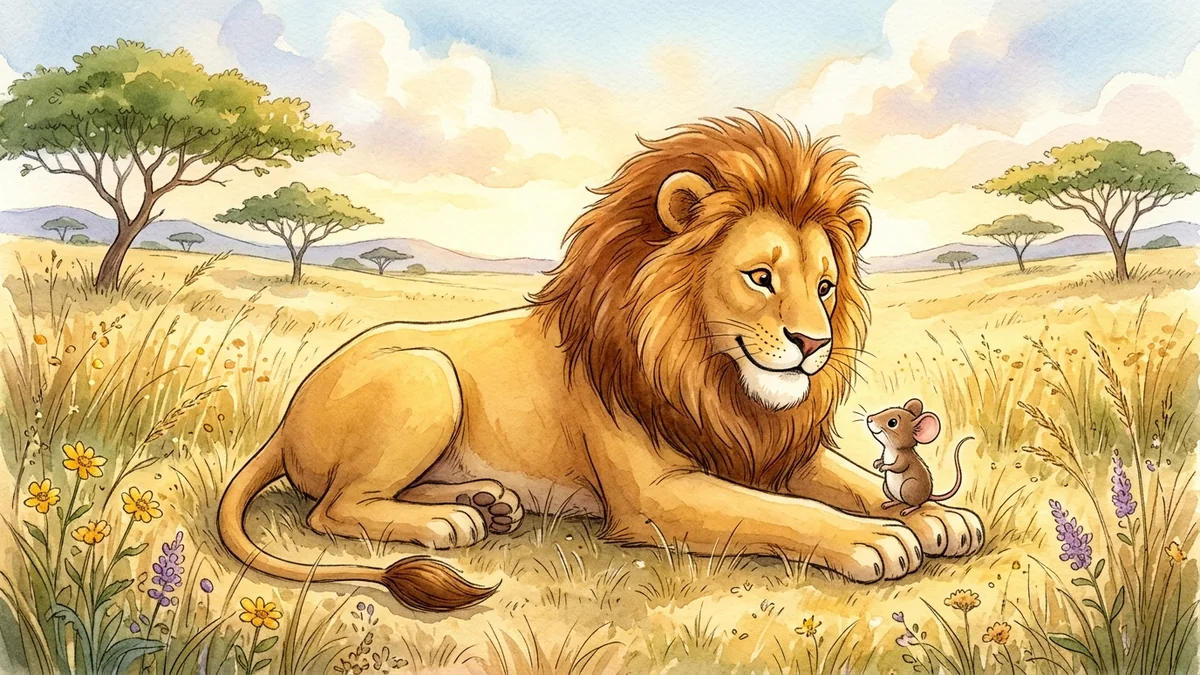
| The Lion and the Field Mouse | Leo Lion & Pippin Mouse | Every friend matters regardless of size | Ages 4–8 | 4 mins |
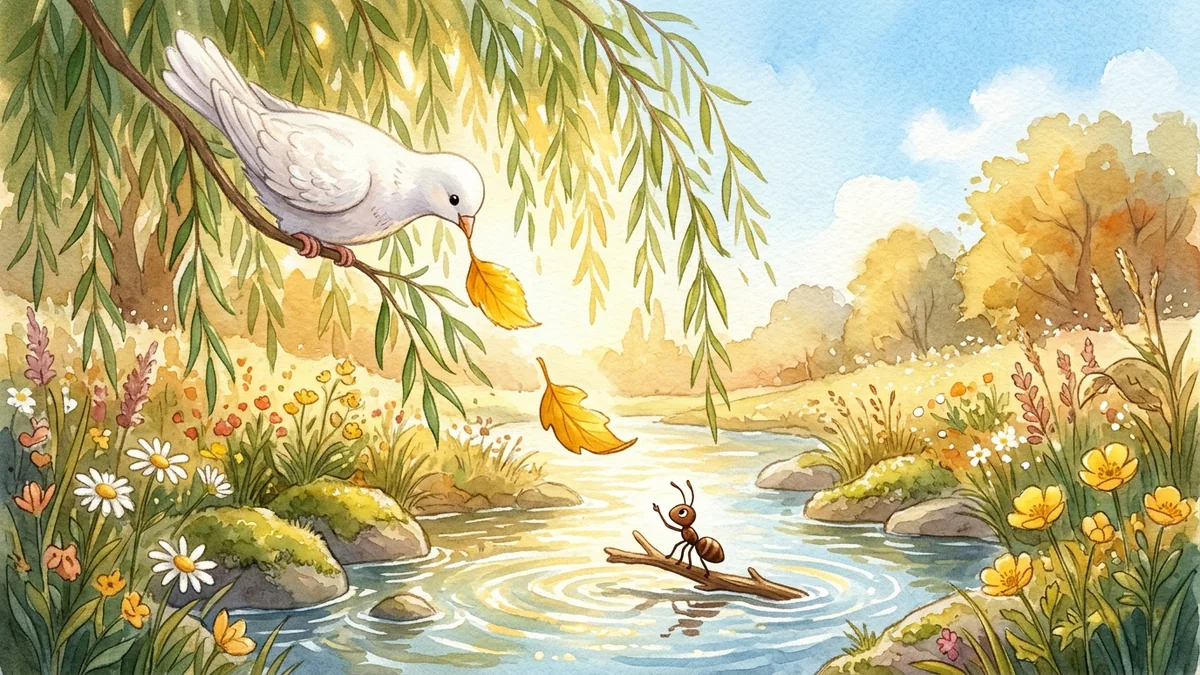
| The Ant and the Dove | Milo Ant & Clara Dove | One kind act ripples forward to save another | Ages 5–8 | 4 mins |
Read Classic Aesop's Fables Online
Includes audio narration, highlighted vocabulary, and discussion questions.





Explore Related Story Collections
Frequently Asked Questions About Aesop's Fables
Guidance for sharing classic fables with modern children.
What makes Aesop's fables so effective for teaching morals to children?
Because fables use relatable animal characters and brief 4-minute arcs, kids remember the story visually and emotionally—understanding why patience or kindness matters without feeling lectured.
Are traditional fables too scary for young kids?
Some older historical translations can feel harsh. Our retellings keep the authentic wisdom while using warm, reassuring endings tailored for bedtime and elementary classrooms.
What age can children start enjoying Aesop's fables?
Children as young as 4 enjoy the animal dialogues and simple plots, while 6-to-9-year-olds love debating the deeper moral lessons and vocabulary words.
Do these fables support reading comprehension practice?
Yes! Each story page features key vocabulary definitions and 3 guided discussion questions to build critical thinking and storytelling skills.
Share Timeless Wisdom Tonight
Explore dozens of classic fables, cultural folk tales, and modern bedtime adventures free online.
Browse All Stories