Inspiring Friendship Stories for Kids
Nurture social confidence, empathy, and the joy of sharing. Warmhearted tales that guide children in making friends, resolving squabbles, and lifting one another up.
Friendship stories for kids are narrative literature designed to model healthy interpersonal communication, mutual trust, and positive conflict resolution. They provide young readers with actionable empathy tools to navigate school social dynamics, celebrate diversity, and build lasting, supportive bonds.
Key Social Skills Taught Through Friendship Tales
Empathy & Inclusivity
Children discover the beauty of different personalities, learning to invite quieter classmates into group play.
Constructive Teamwork
Characters demonstrate that pooling diverse talents solves puzzles and achieves goals that no individual could manage alone.
Conflict Resolution
Stories demonstrate that disagreements are natural, and sincere apologies and open dialogue mend hurt feelings.
Friendship Milestones by Developmental Stage
| Childhood Stage | Key Social Milestone | Common Playground Challenge | Story Lesson Focus | Recommended Reading |
|---|---|---|---|---|
| Toddlers (Ages 2–4) | Parallel play & sharing | Possessiveness with toys | Turn-taking brings more fun | 3–5 mins short fables |
| Preschool & K (Ages 5–7) | Cooperative games & empathy | Agreeing on game rules | Listening & compromise | 5–8 mins illustrated tales |
| Elementary (Ages 8–11) | Loyalty, trust & deep bonds | Cliques and fear of rejection | Standing up for others | 8–12 mins chapter stories |
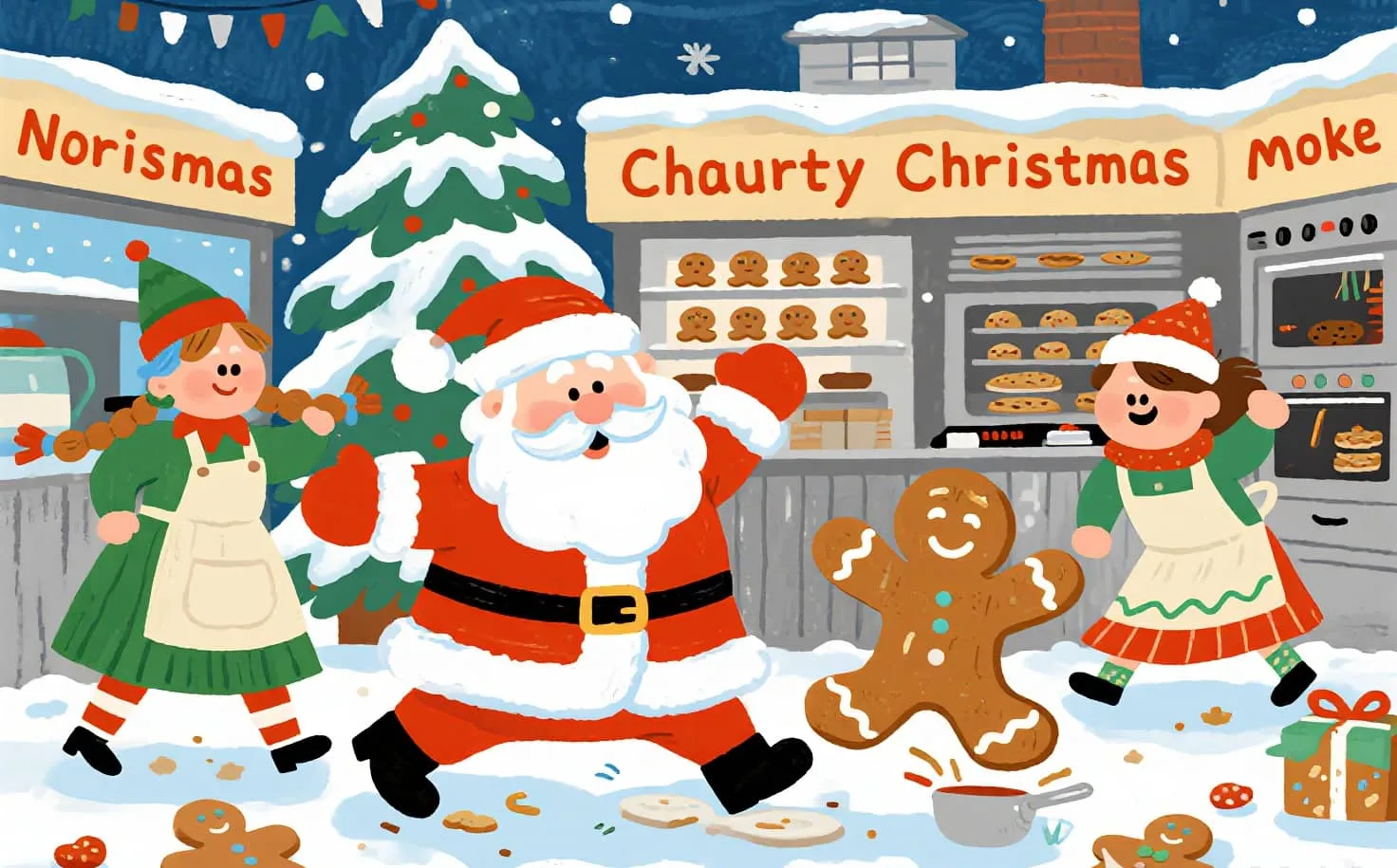
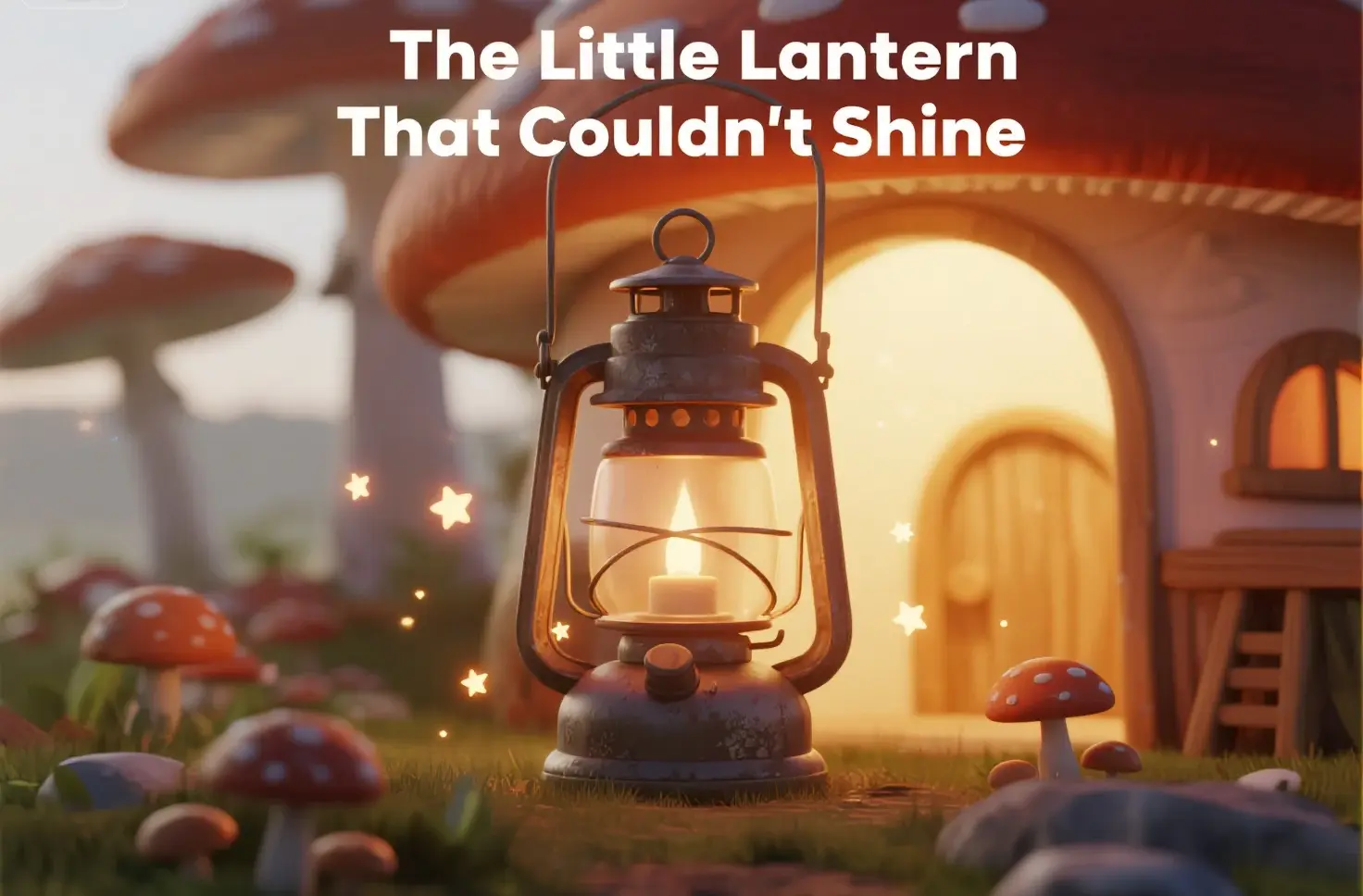
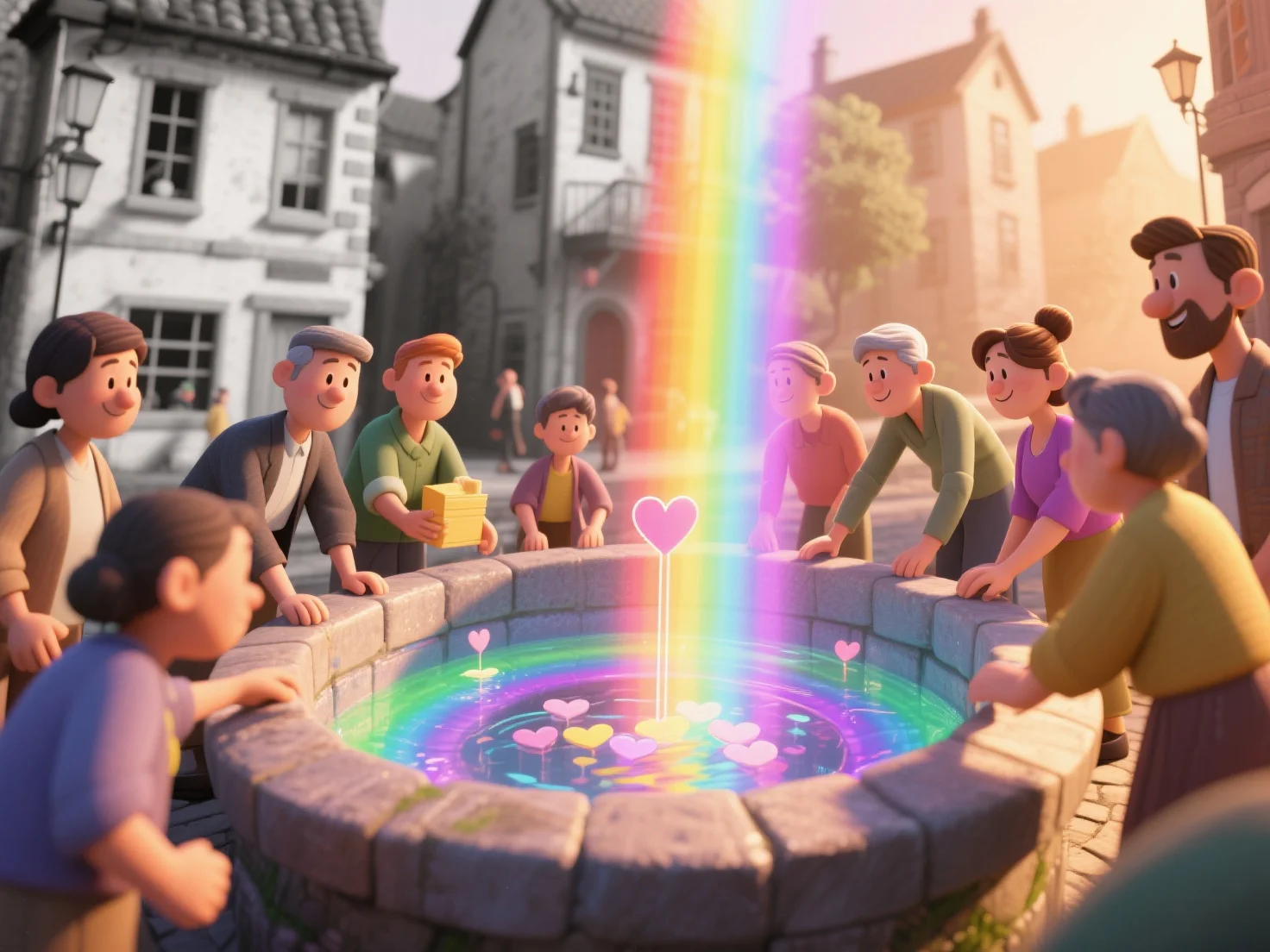
Featured Friendship & Teamwork Stories
Explore heartwarming stories complete with parent discussion prompts and audio narration.






Frequently Asked Questions on Kids Friendship
Practical advice for parents and educators on raising socially confident children.
How do friendship stories help reduce social anxiety in young children?
When children read about characters experiencing first-day jitters, awkward moments, or feeling left out, it normalizes their fears. Seeing characters navigate peer interactions with patience gives kids tangible social scripts to try on the playground.
What age groups benefit most from stories about sharing and teamwork?
Toddlers (ages 2–4) learn early parallel play and basic turn-taking. Kindergarteners and elementary students (ages 5–9) benefit by exploring deeper themes of resolving conflicts, celebrating differences, and standing up for classmates.
Can these stories help children resolve conflicts without adult intervention?
Yes. Many of our friendship fables illustrate peer compromise—such as agreeing on game rules or apologizing after mistakes—providing children with actionable models of emotional self-regulation.
How can teachers use friendship tales for classroom community building?
Teachers can use our discussion questions to initiate circle-time reflections, such as 'How can we welcome someone new to our group today?' or 'What makes our classroom team strong?'
Celebrate the Power of True Friendship
Read inspiring stories today that encourage your child to be the kindest friend on the playground.
Explore All Stories